
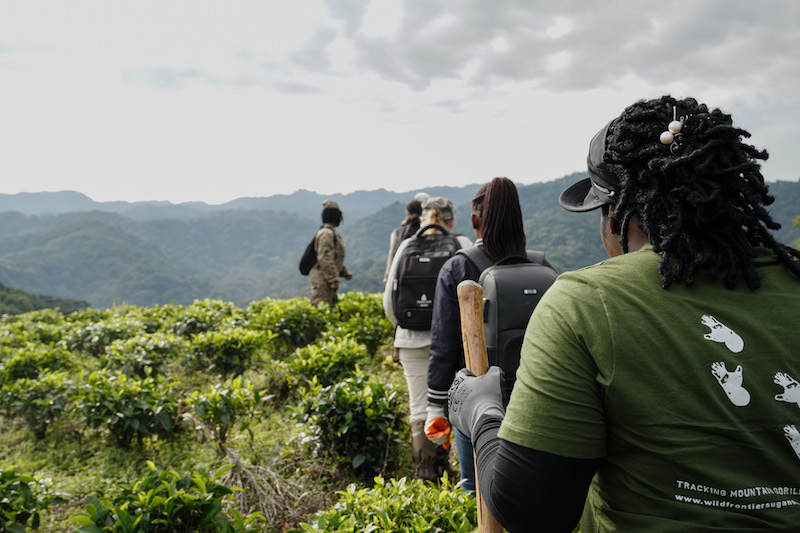
A comprehensive guide to navigating the practical and financial aspects of meaningful donor trips
Are you thinking about joining a donor trip to see your favorite cause in action? Or perhaps you’re considering inviting friends to experience the work you’ve been supporting? Site visits can be transformative experiences that deepen understanding, strengthen commitment, and create lasting connections with the communities and causes you care about. But knowing what to expect—and what questions to ask—can make the difference between a meaningful journey and an uncomfortable surprise.
The Human Reality: Money Is Tight, Trust Is Essential
This guide will help you navigate the practical and financial aspects of donor visits, ensuring you can focus on what matters most: understanding the impact of your support and sharing that passion with others.
Donors today are inundated with funding requests from organizations tackling everything from climate change to poverty, from education gaps to healthcare crises. They appreciate that nonprofits are working to resolve existential issues that governments and markets have struggled to address. Yet these same donors live in times when families debate whether to donate $50 or use it for groceries, when retirees stretch fixed incomes to support causes close to their hearts, and when young professionals squeeze charitable giving from already strained budgets.
Your donors understand this reality because they’re living it too. They don’t expect—nor want—their contributions to fund lavish travel experiences. What they do expect is honesty, accountability, and evidence that every dollar is handled with the same care they exercised when deciding to give it.
For grassroots organizations operating on shoestring budgets, donor visits present both an incredible opportunity and a significant challenge. These visits can transform abstract numbers into powerful stories, casual supporters into lifelong advocates, and skeptics into champions. However, the financial reality of hosting donors responsibly while maintaining program integrity requires careful navigation and crystal-clear communication.
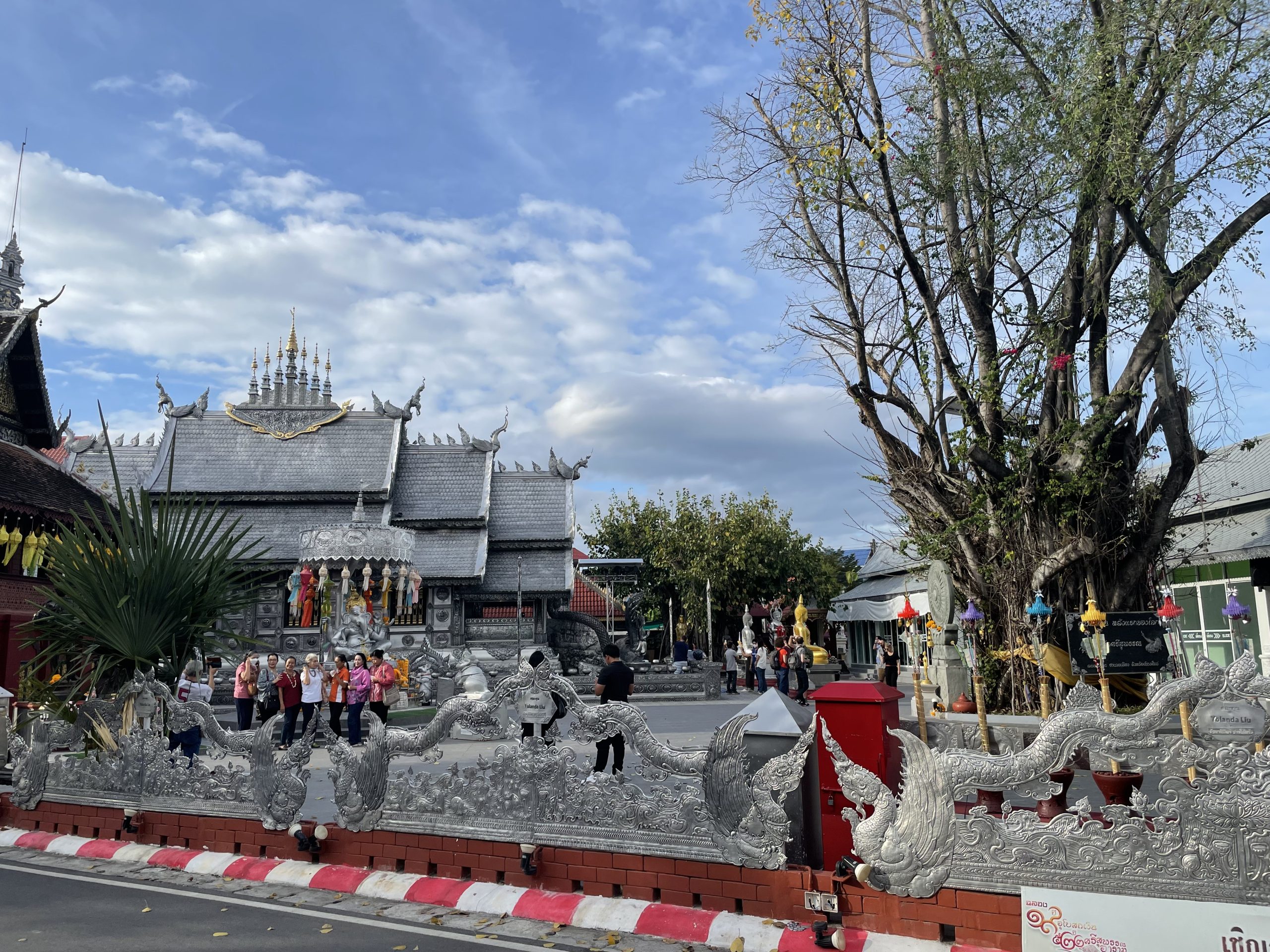
Understanding Donor Trips: Choosing the Experience That’s Right for You
When you join a donor trip, you are part of a carefully designed experience meant to honor your generosity and provide clarity for your giving journey. These trips typically serve different kinds of participants—each with distinct motivations but a shared desire to see meaningful change.
Existing Donors: Stewardship Experiences
If you’ve already contributed, your visit is a stewardship experience. It’s about seeing your gift in action, gaining deeper understanding of the ongoing challenges, and feeling inspired to continue—or even expand—your support. You arrive with trust in place; the trip reinforces that confidence by showing you firsthand the impact your giving makes.
Prospective Donors: Due Diligence Journeys
If you are considering support, your visit is a form of due diligence. Like many thoughtful philanthropists, you want to understand the realities before making a significant commitment. You may be comparing organizations, assessing leadership, or weighing how program effectiveness aligns with your giving criteria. The trip provides transparency, helping you decide with confidence.
Family-Based Trips: Multi-Generational Experiences
Some journeys are designed for families. These trips balance meaningful engagement with age-appropriate activities so children, teens, and adults alike can connect. The pacing is intentional—slower and more interactive—so younger generations can participate fully. Done well, these trips plant the seeds for a lifelong commitment to giving.
Why It Matters to Ask Upfront
As a donor, I’ve learned that asking “What type of trip is this?” sets the stage for a richer and more rewarding experience. Here’s why:
Pace
Prospective donor trips often move at a slower, more explanatory pace; stewardship trips move faster, focusing on results and next steps; family-based trips adapt the rhythm so all generations remain engaged.
Subject Expertise
Prospective trips emphasize foundational learning; stewardship trips often bring in senior leaders or program strategists for deeper dives; family trips adjust expertise to be both accessible and inspiring for a wide range of ages.
Activities
Prospective trips lean toward orientation and context; stewardship trips lean toward celebration and visioning; family trips create hands-on, interactive opportunities so younger participants can experience impact directly.
The Art of Tailoring the Experience
The most successful donor trips begin before anyone boards a plane. Candid pre-trip conversations uncover each participant’s motivations, expectations, and concerns. With this understanding, the experience can be tailored—providing existing donors with validation and inspiration, prospective donors with clarity and trust, and families with meaningful, age-appropriate engagement.
By asking the right questions about the trip you’re joining, you ensure that the experience aligns with your stage of giving—and that it serves as both a meaningful reflection of your generosity and an inspiring window into what comes next.
What You Should Expect to Be Included
Understanding what’s typically covered helps you budget appropriately and set realistic expectations for friends you might invite. Here’s what responsible organizations usually include in trip costs:
Essential Program Elements:
Site Visits and Program-Related Activities
These form the heart of the experience, but they should be shaped by what you hope to achieve. Ask the organization directly: What will I be able to learn? What will I see? What can I expect to understand better about your work? Like any business meeting, ask for any prep items and request an agenda in advance.
This preparation helps you get the most value from site visits, especially when visiting remote program locations or when traveling with friends who may have different interests or physical capabilities.
Transportation Costs
Should cover practical movement that serves the program’s educational goals. Ask what’s included: flights or ground transportation to reach program sites, local transportation between locations, and transfers necessary for safety and efficiency. The focus should be on reliable, safe options that allow you to reach program locations without unnecessary luxury or hardship.
Accommodation
Should reflect the local context and program requirements, but communicate your preferences directly. Some donors specifically want basic lodging that reflects the community’s reality, while others may need certain amenities for health or comfort reasons. Ask the organization what level of accommodation they’re planning and discuss any specific needs you have.
Meals During Official Program Activities
Naturally become part of the educational experience. Sharing food with community members, program beneficiaries, or local staff creates connections that transform understanding. These meals aren’t about fine dining—they’re about relationship building and cultural exchange.
Be upfront about any allergies, medical issues, or dietary preferences you may have. Your experience is important, and if you’re not eating well it will color your experience of the trip. We have all heard of hangry people. If there’s a price difference for accommodating special dietary needs, ask them to be transparent about it.
Professional Guide Services and Interpretation
Ask what’s included to ensure you can meaningfully engage with their work. This might include local guides who understand both the community context and the organization’s role, translators who can facilitate authentic conversations, or program staff who can explain complex interventions in accessible terms.
What You Should Plan to Cover Yourself – Tips
Unless you specifically ask the organization to include these items, plan to handle them independently:
Personal Travel Insurance
Protect yourself with comprehensive coverage that includes medical emergencies, evacuation, and trip cancellation. Don’t assume the organization’s insurance covers visiting donors.
Personal Expenses and Souvenirs
Budget for personal shopping, gifts, additional meals outside the program, and any activities you want to pursue independently.
Extended Stay or Tourism
If you want to extend your visit for tourism or additional exploration, plan and pay for these extensions separately from the program-focused portion of the trip.
Donor Travel
While the trip will include shared program costs, there are certain personal expenses that remain each donor’s responsibility. These items fall outside the scope of the mission and reflect individual choices, comfort levels, or leisure preferences. Covering these yourself ensures that philanthropic funds are directed toward the purpose of the trip and the communities we aim to serve.
🏨 Hotel upgrades
Any room or amenity upgrades beyond the standard accommodations.
🍽️ Special meals
Premium dining selections, tasting menus, or off-itinerary restaurant reservations.
💉 Vaccinations / travel clinic fees
Vaccines or prophylactics required or recommended for international travel, plus related appointment costs.
✈️ Private jet or charter flights
Personal charters to save time or customize routing beyond the group itinerary.
📋 Country visas
Individual entry visa fees required for international travel.
🛡️ Personal travel insurance upgrades
Supplemental coverage reflecting your personal needs and comfort levels.
🍷 Alcoholic beverages
Except where explicitly part of a cultural experience on the itinerary.
🛍️ Personal shopping and souvenirs
To support local economies on your own terms.
🍽️ Room service and personal incidentals
In-room dining, laundry, mini-bar, and similar charges.
💆 Spa treatments and wellness services
Comfort choices not related to the mission.
🏖️ Extended stays or vacation add-ons
Any travel before or after the program itinerary.
💰 Tips to concierge, drivers, or service providers
Unless the organization specifically states that gratuities are included in the cost of the trip.
Transparency as Trust-Building
Questions to Ask Before Committing
Ask to Meet Subject Matter Experts and See Specific Programs:
If the organization’s reports mention particular programs, interventions, or success stories, ask to visit those specific sites and meet the people involved. You should be able to see the schools, clinics, conservation projects, or community programs you’ve been reading about in their materials.
Validate Access to Beneficiaries:
If you’re supporting programs that serve families or communities, ask specifically about opportunities to meet with beneficiaries and confirm that appropriate translation services will be available. A simple question like “Will there be translators available when we visit families?” ensures you can have authentic conversations rather than just observe from a distance.
Warning Signs to Watch For
Be alert to hidden fees or surprise costs during trips, luxury accommodations that seem excessive for the cause, unclear administrative overhead charges, or lack of detailed itinerary information. These may indicate poor stewardship or planning.
The Bottom Line: Your Trip, Your Values
When considering a donor site visit—whether for yourself or with friends—remember that organizations earning your support should welcome honest conversations about costs, expectations, and logistics. You don’t need to accept anything that makes you uncomfortable, and you shouldn’t feel pressured to participate in experiences that don’t align with your values or budget.
The best donor trips create lasting relationships built on mutual respect and shared commitment to meaningful change.
Organizations that demonstrate transparency, fiscal responsibility, and genuine care for participant experience often prove themselves worthy of long-term partnership.
Your willingness to invest time and resources in understanding causes firsthand represents a level of engagement that many organizations deeply appreciate. By asking thoughtful questions, setting clear expectations, and approaching these experiences as learning partnerships, you help create the conditions for trips that strengthen both your commitment to important work and the organization’s capacity to continue making a difference.
< Back to Insights
Ready to start this journey?
We’d love to hear what’s on your heart
and explore how we might work together.
Why Chooose Castlefield?
Boutique approach with personalized attention
Deep expertise across all philanthropic vehicles
Proven track record with leading families and foundations
Commitment to confidentiality and discretion