
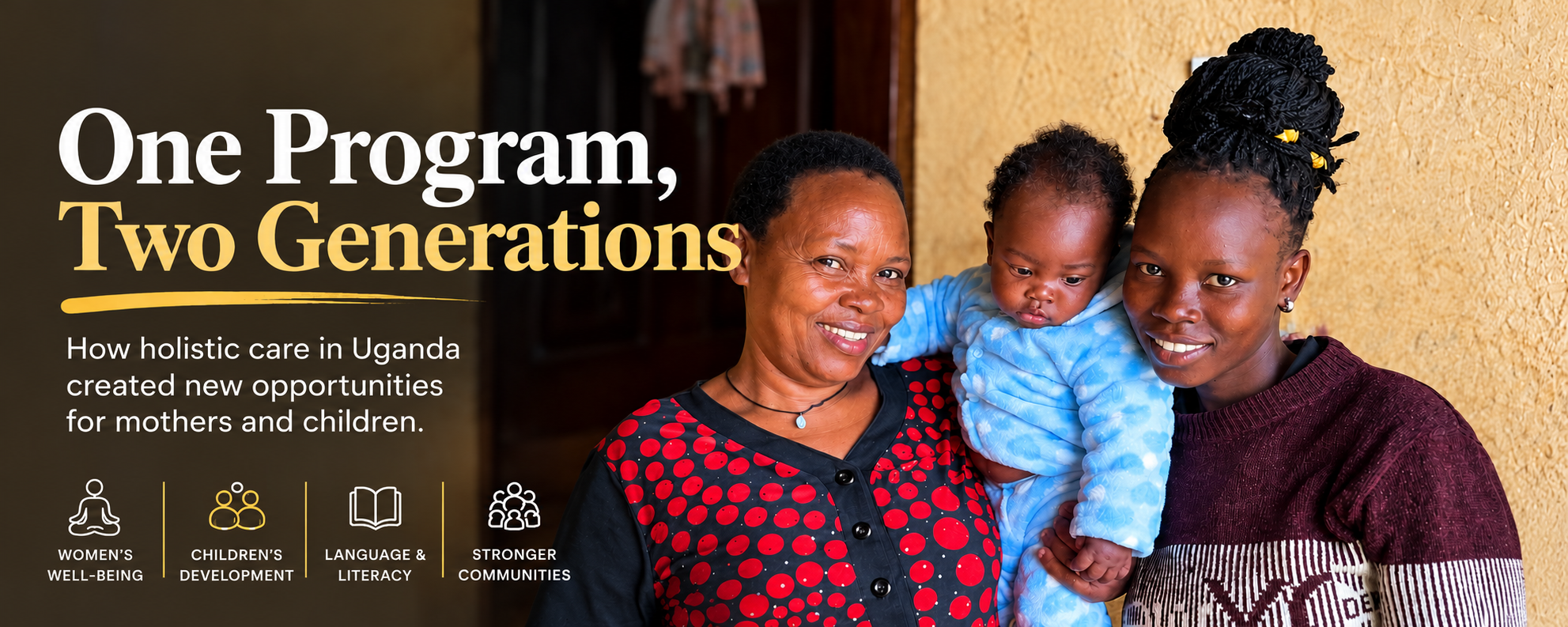
Every time our women’s collectives gathered in Uganda, we began with Transcendental Meditation.
Then we provided food for the women and their children, and the conversations began.
Women talked about their families, their worries, their relationships and the challenges of making ends meet. Some were nursing babies. Others had toddlers tugging at their clothes.
We wanted the women to have time to focus on themselves. But how could a mother find that space when her children needed constant attention?
More than a meditation program
Our foundation partnered with AWAGO, a Ugandan nonprofit established in 2011 to support women and girls through Transcendental Meditation, community wellness programs and opportunities for personal and economic development.
This wasn’t conventional grantmaking. I devoted 10 to 15 hours each week to working with AWAGO’s leadership and staff, sometimes considerably more, but never fewer than 10.
Our foundation provided software, technical and research staff, training and other resources to strengthen the organization.
But the most important insights came from the women themselves and the meditation teachers and counselors who worked with them.
The women weren’t asking us to replace meditation. They wanted the conditions that would allow them to experience its benefits.
And once we listened, we realized that some of the changes required weren’t expensive or complicated.
Two small changes opened new opportunities
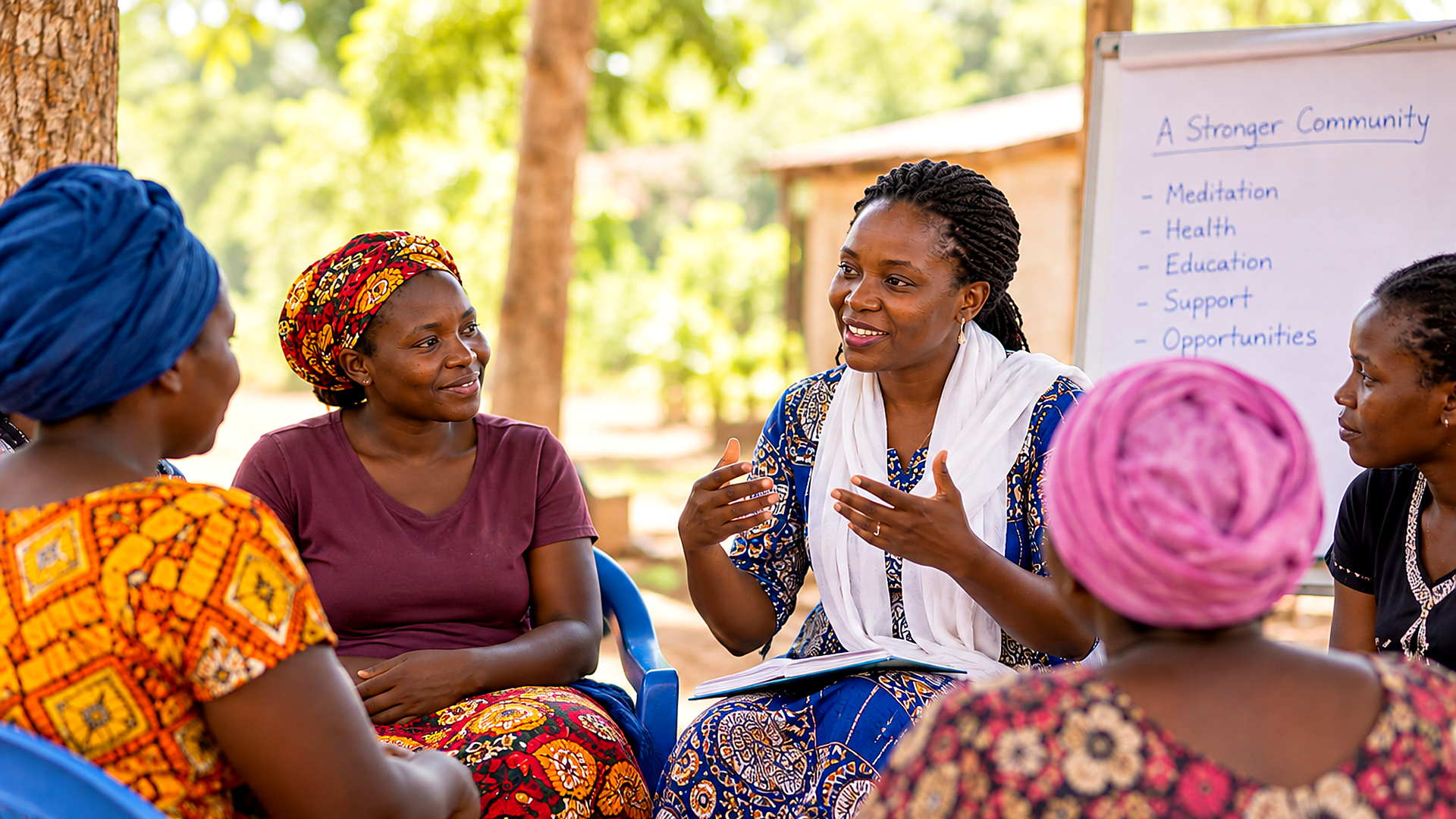
The first was staggering meditation sessions to accommodate nursing mothers and childcare responsibilities.
The second was organizing small-group conversations where women could share their experiences, discuss their stresses and support one another.
We provided food for mothers and children at every gathering. The women had opportunities to meditate, talk openly and enjoy time together without constantly attending to their children’s immediate needs.
These were relatively simple adjustments, but they made the program more responsive to the women it was intended to serve.
Then another question emerged.
If we were already organizing care for the children, couldn’t that time become valuable for them too?
From childcare to enrichment
Once we began arranging care for children while their mothers meditated, another opportunity became clear.
Why simply supervise the children when we could make that time valuable for them too?
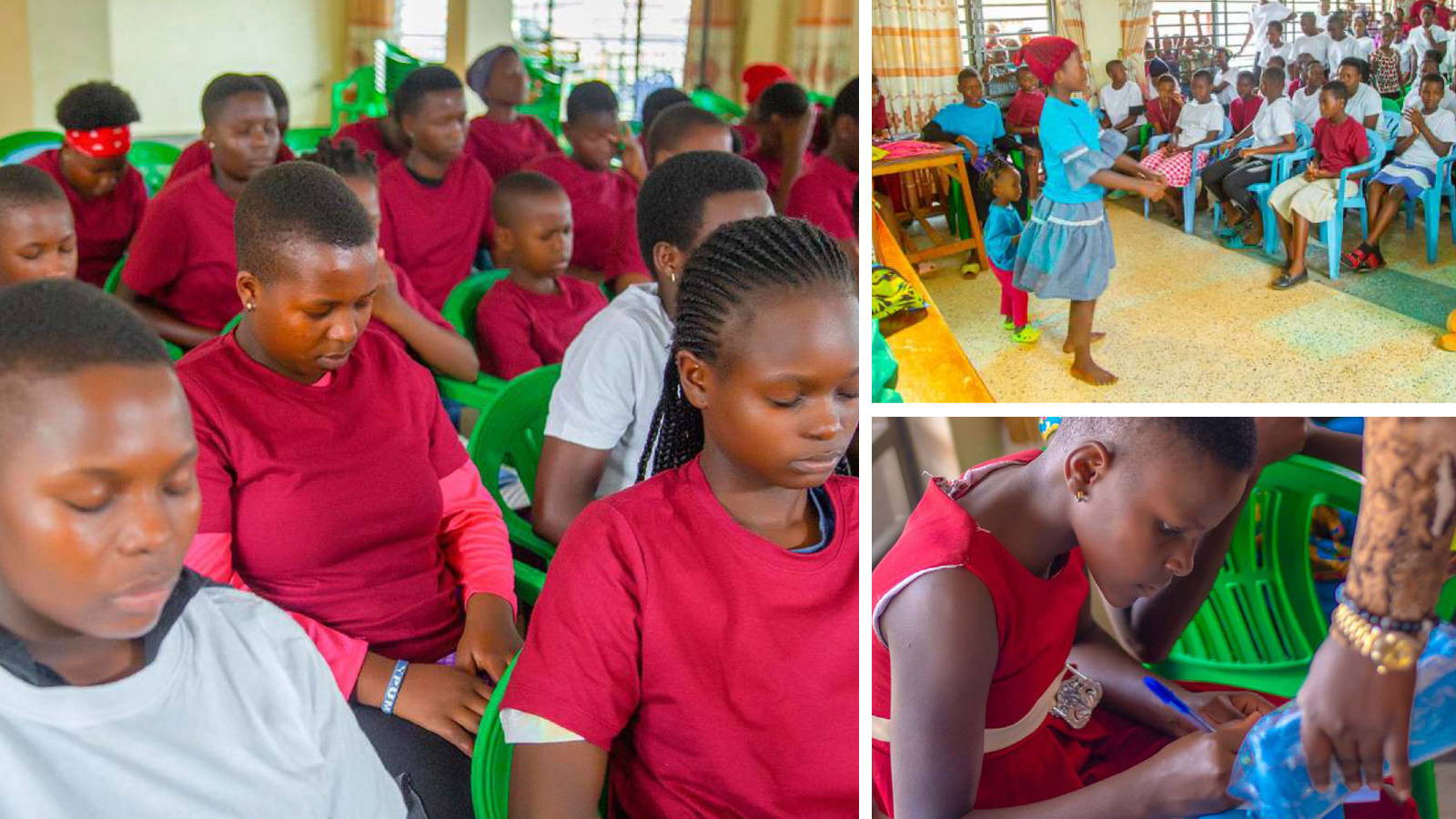
We introduced children’s clubs with age-appropriate learning, play and social activities. While mothers had time to meditate and talk with other women, their children could learn, explore and build relationships of their own.
As more women wanted to participate, demand grew for both the mothers’ programs and the children’s activities. Our approach had to scale on two fronts at once. More mothers meant additional meditation sessions, counseling and support. More children meant expanding enrichment activities, staffing and resources.
We couldn’t grow one program without considering the needs of the other.
Then the requests began coming from our staff.
They wanted English lessons, more advanced training and better tools to serve the women and children. Some spoke primarily Luganda, while the communities they served spoke several other local languages and dialects.
Scaling required us to invest in the people delivering the programs. We strengthened staff development and built partnerships with other nonprofits that could contribute expertise, services and financial support.
The challenge was no longer simply making meditation accessible. It was ensuring that, as participation increased, we could continue providing meaningful experiences for both mothers and children.
What started as a way to give mothers time for meditation was becoming an opportunity to enrich the lives of two generations.
One Investment, Two Generations
We hadn’t set out to create a two-generation program. We started by listening to women who wanted to meditate but needed additional support to make that possible.
As participation grew, so did the demand for children’s activities. Supporting mothers and children together became central to the program, rather than an additional service.
This experience reinforced the value of what is often called a two-generation, or 2Gen, approach: recognizing that a child’s opportunities and a parent’s well-being are closely connected.
I carried that lesson into philanthropic initiatives in Washington, DC, South Africa and Los Angeles.
In Washington, for example, English as a Second Language (ESL) programs offered mothers opportunities to strengthen their communication skills, navigate services and pursue employment. At the same time, early literacy and preschool enrichment activities could prepare their children for school.
The connection was familiar. When mothers had opportunities to develop their own skills, their children could benefit too.
The lesson wasn’t to add as many services as possible. It was to understand what families needed, then bring the right people, resources and partners together to respond.