
April 21, 2026
How often have you walked into a full room and thought, “Wow, they must be making money”?
Every seat is taken. Conversations fill the room. From the doorway, the event looks like a success. What you cannot see are the staff hours, the spreadsheet, or the bills still waiting to be paid. Behind the scenes, staff may be wondering how they will make ends meet.
The room is full. So why isn’t the money enough?
A full room can hide a weak business model.
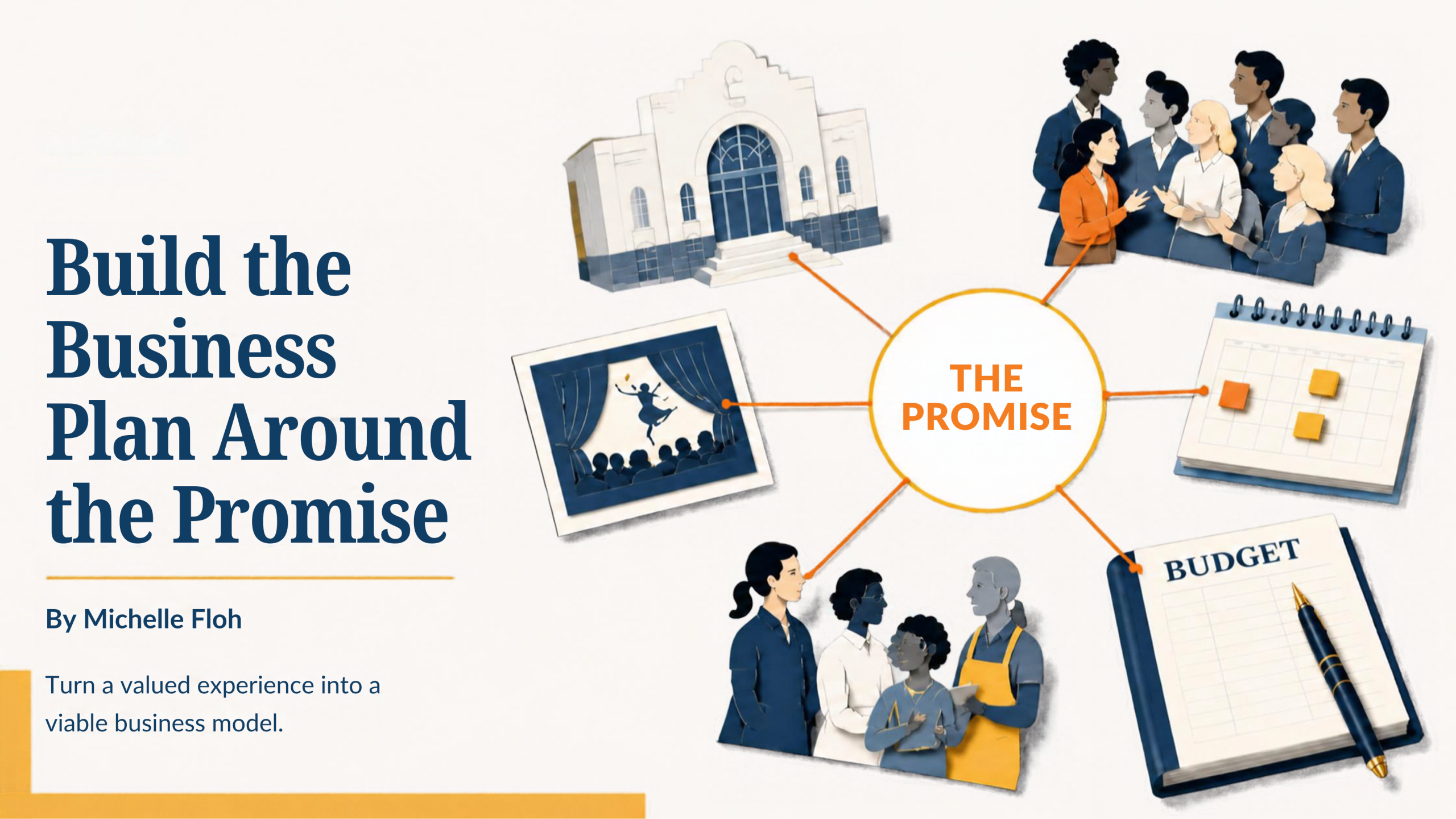
In earlier article I asked why people would choose your organization. Now comes the question your business plan needs to answer: what will it take to keep the promise that brought them in, and how will you pay for it?
The clearest example I know from the inside is the Girl Scout Cookie Program at Girl Scouts Nation’s Capital, where I serve on the board. The customer gets cookies. Volunteers leading the troops teach and encourage girls as they learn to set goals, manage money, and speak with customers. Proceeds support the council and its troops.
If we assessed the program only by the cookies sold and the money raised, we would miss a central part of its purpose. The girls’ learning is part of the promise. That is what makes it a business built around the mission.
Your own program deserves the same clarity. What does the customer receive? What does the organization accomplish? And what will tell you that both promises are being kept?
Consider a couple looking at your venue for their wedding. They are imagining the ceremony, the reception, the flowers on the tables. They are also doing the math. Can their budget cover the celebration they have in mind?
They are buying the space, but they are also buying confidence, connections, and help bringing the day together.
They expect something of a concierge experience. Can the ceremony and reception happen in different rooms? Are tables and cutlery included? Who can recommend a florist within their budget? Someone needs to answer those questions, explain the options, and help them make decisions.
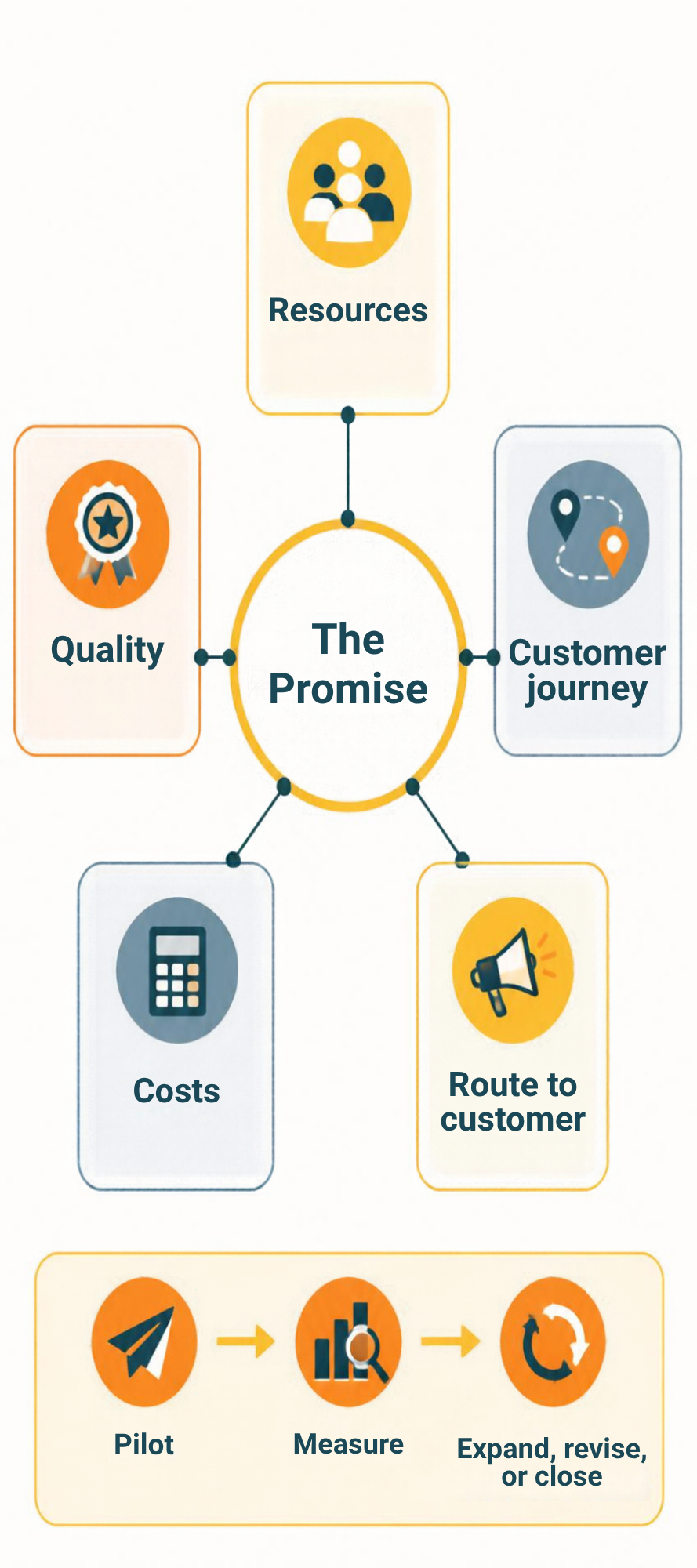
Before you price the rental, you need to know how much of that help you are promising. Which services are included in the fee? Which will the couple arrange and pay for separately? Clear boundaries give the couple confidence and staff a manageable job.
An empty room starts to look less like effortless income once you account for that work. There are inquiries to answer, supplier relationships to maintain, rooms to prepare, and cleaning and maintenance to pay for. A Saturday wedding may also mean moving a mission program elsewhere.
Those demands belong in the business plan before the calendar fills.
Quality must be budgeted.
If the numbers work only because staff stay late or maintenance waits another year, the plan has left something out. Training, dependable systems, and enough staff time are part of what it costs to keep your promise.
The work begins well before the booking. How will couples find you? What will help them choose your venue? Staff and community partners can tell you which messages bring inquiries and which leave people confused. That feedback helps you decide where the marketing budget belongs.
Then ask when the money arrives. A full calendar does not guarantee cash in the bank when you need it. Deposits, final payments, staffing costs, and supplier bills may fall at different times. Your projections need to show those gaps, include a reasonable share of overhead, and test what happens in a quieter season.
Your board also needs to agree on the financial purpose. Is the activity expected to cover its costs or generate a surplus for charitable work? Will the organization deliberately subsidize it to protect access? Each can be a reasonable choice. The trouble begins when different people are working toward different definitions of success.
I favor focused pilots because they give you room to learn before making a large commitment. Before launch, agree on the key performance indicators, or KPIs, for financial results, participant experience, and staff capacity. Give a staff leader responsibility, a budget, and a date for a full review.
Good strategic planning also gives the team clear goals and guiding principles, with freedom to exercise judgment during implementation. Staff need room to respond to feedback, suggest new ideas, and adapt when circumstances change. A plan should help them make sound decisions. Micromanaging every step limits their ability to do that.
The review afterward deserves as much attention as the planning before it. Return to the original KPIs. Did the project meet its financial goals? Did participants have an experience worth returning for and recommending? For memberships, renewals and referrals help show whether that promise is holding.
Ask staff how they experienced the extra work. Did they have the right talent, time, and support? Which adjustments improved the offering? Bring in feedback from other stakeholders and the people analyzing the costs and results. Examine the measures themselves, too. Did you choose the right KPIs, or did something important go unmeasured?
By then, people may already be invested in keeping the project alive. You may have helped launch it. You may have put your credibility behind it. Recommending that it stop takes courage.
The review should help you decide whether changes can make it work. But if it cannot meet its financial objectives, provide a worthwhile participant experience, and give staff work they can sustain, you need to be confident enough to recommend stopping. Another revenue-generating option may deserve those resources. What you learned can make the next decision stronger.
The next time you walk into a full room, look beyond the crowd. A sustainable model gives the organization the resources to keep its promise and gives its staff the support to do it well.
Sources
- Girl Scouts Nation’s Capital, “About the Cookie Program.”
- Girl Scouts of the USA, “How to Buy Cookies.”